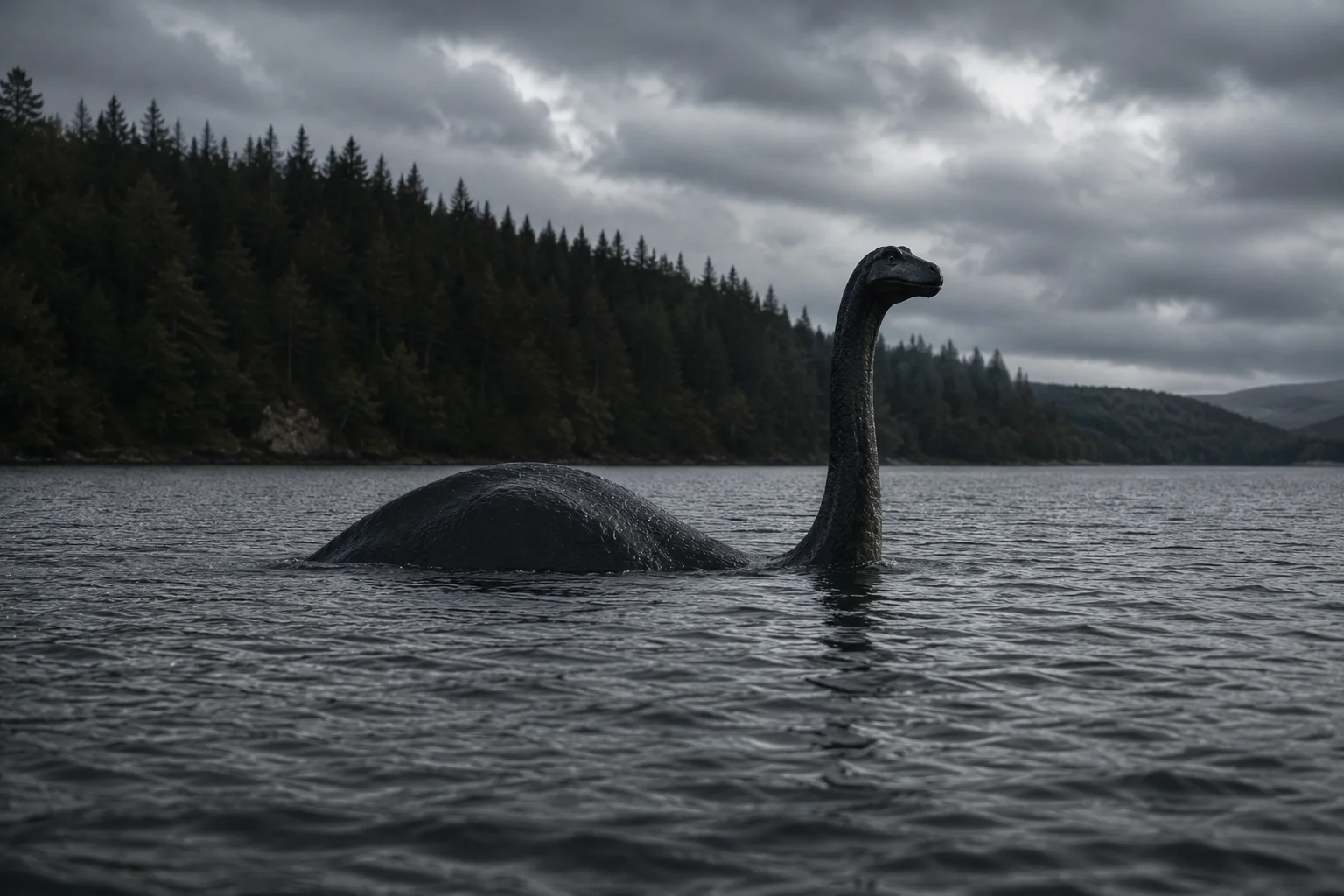
Champ (or Champy) is a famous North American cryptid — a large lake monster said to inhabit Lake Champlain, the great freshwater lake on the border of New York, Vermont, and Quebec, often described as a long-necked or serpentine aquatic creature, the American counterpart of Nessie. The lake monster of Lake Champlain, the elusive creature of the great border lake, Champ is one of the most famous lake monsters of North America, the American cousin of Nessie and Ogopogo.
The Monster of Lake Champlain
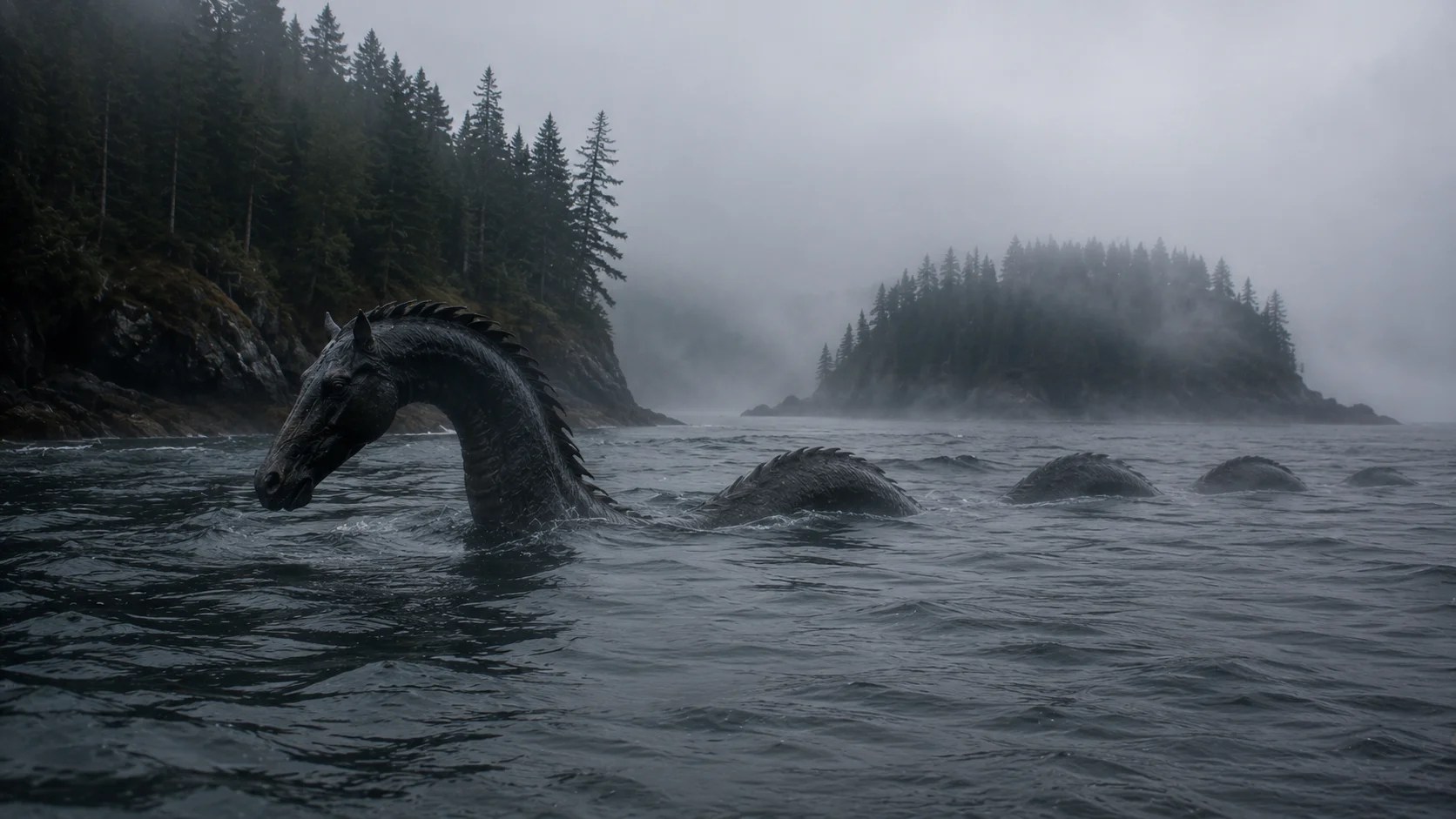
Champ is described as a large aquatic creature inhabiting Lake Champlain — the great, long, deep freshwater lake on the border of New York and Vermont (and extending into Quebec, Canada), one of the largest freshwater lakes in the United States. Champ is variously described — most often as a large creature with a long neck and a humped or serpentine body (resembling, like Nessie, a plesiosaur or a long-necked aquatic creature), or as a long, serpentine, multi-humped monster (resembling Ogopogo) — the long-necked or serpentine monster of the great border lake. It is said to be elusive, surfacing only briefly, glimpsed as a long neck, a humped back, or a serpentine form breaking the surface of the lake before submerging. As the monster of Lake Champlain, the large long-necked or serpentine aquatic creature of the great border lake, Champ is the elusive lake monster of the Champlain waters, the American counterpart of Nessie.
The Indigenous Tradition and the Early Reports
The creature now famous as Champ has roots in older traditions and reports. The indigenous peoples of the Lake Champlain region — the Abenaki and the Iroquois — had traditions of a water-monster or lake-creature of the lake (the Abenaki telling of a creature called Tatoskok or a similar lake-being), the lake-monster of the indigenous tradition. The lake is also famously, if dubiously, associated with the early explorer Samuel de Champlain (after whom the lake is named), who is sometimes said (on uncertain grounds) to have reported seeing a strange creature in the lake in the early seventeenth century — an early report (whose authenticity is doubted) sometimes cited as an early Champ sighting. The modern Champ legend draws on these older traditions and reports, the lake-monster of the indigenous tradition and the early reports becoming the famous modern cryptid. As a creature with roots in the indigenous tradition and the early reports, Champ has a deep history, the lake-monster of Lake Champlain known, in tradition and report, long before the modern era.
The Sightings and the Mansi Photograph
Champ has been the subject of numerous sightings in and around Lake Champlain, where it is a famous local cryptid and a beloved figure of local identity (the towns and region around the lake embracing Champ, with a minor-league baseball team, Champ festivals, and local lore). The most famous piece of Champ evidence is the Mansi Photograph of 1977 — a colour photograph, taken by a woman named Sandra Mansi, that appears to show a long-necked creature (a dark hump and a long neck or head) rising from the waters of Lake Champlain, one of the most famous and debated pieces of lake-monster photography, much analysed, debated, defended, and questioned. The sightings — the countless reported glimpses of long necks, humps, and creatures in the lake — the Mansi Photograph, and the other reports and evidence have been the subject of interest, investigation, and debate, the believers holding them as evidence of a real creature and the skeptics dismissing them as misidentifications (of waves, logs, sturgeon and other large fish, boat-wakes, and other natural phenomena), hoaxes, and the power of legend. As the subject of numerous sightings and the famous Mansi Photograph, Champ is the famous and beloved lake monster of Lake Champlain.
The American Lake Monster
Champ is one of the most famous of the lake monsters of North America and of the world, the American counterpart of the Loch Ness Monster and the cousin of Ogopogo, belonging to the global family of the monsters of the deep lakes (Nessie of Loch Ness, Ogopogo of Okanagan Lake, Champ of Lake Champlain, and the many others). It is a famous and beloved figure of the Lake Champlain region, deeply woven into local identity and lore, and a famous figure of American cryptid lore. Like the other lake monsters, Champ is regarded by mainstream science as a creature of folklore, misidentification, and legend rather than a real, undiscovered creature; but it endures as a famous and beloved local cryptid, the monster of Lake Champlain. As the American lake monster — Champ, the long-necked or serpentine creature of Lake Champlain, the American counterpart of Nessie and the cousin of Ogopogo, the famous and beloved lake monster of the great border lake — Champ is one of the most famous lake cryptids of North America, the elusive monster of the Champlain waters.
Legacy
Champ endures as one of the most famous lake monsters of North America, the large, long-necked or serpentine creature of Lake Champlain on the border of New York, Vermont, and Quebec, rooted in the indigenous tradition and the early reports, the subject of numerous sightings and the famous Mansi Photograph, a beloved figure of local identity, the American counterpart of Nessie. As the lake monster of Lake Champlain — Champ, the long-necked or serpentine creature of the great border lake, the American counterpart of Nessie and cousin of Ogopogo — Champ stands as one of the most famous and beloved lake cryptids of North America, the elusive monster of the Champlain waters, the American cousin of the world’s great lake monsters.